Wicked Boxes: A Designer’s Review for 3D Projects
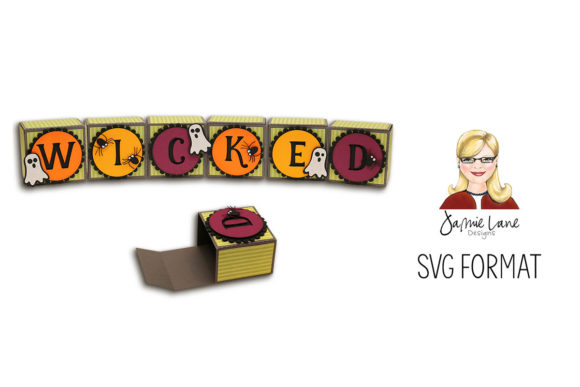
As a designer who spends countless hours testing files before they ever touch a client’s fabric or hit my Etsy shop, I approach every new asset with a healthy dose of skepticism. When I first opened the Wicked Boxes project files, I wasn't just looking for cute Halloween aesthetics; I was evaluating structural integrity and commercial viability. This isn't merely a flat graphic; it is a functional 3D SVG intended to become a tangible object. For makers, small business owners, and crafters, the distinction between a pretty screen image and a stitchable, sellable product is everything. My initial impression was that this design captures a playful yet sophisticated spooky mood, but the real test lies in how those dimensions—approximately 2-3/4 x 2-1/2 x 1-3/4 inches—translate from digital vectors to physical reality.
Translating Digital Vectors to Physical Decor
The primary challenge with any 3D embroidery or cutting project is ensuring the assembly points align perfectly after the material has been manipulated by needle and thread. In reviewing Wicked Boxes, I focused heavily on the tolerance of the tabs and slots. For a machine embroidery design that incorporates construction elements, there is zero margin for error. If the satin stitch borders are too thick, they can stiffen the fabric enough to prevent clean folding. Conversely, if the running stitch guidelines are too faint, you risk losing your assembly map once the decorative mats are applied.
I envision this project shining brightest as a premium holiday gift or boutique shelf item rather than mass-produced merchandise. The inclusion of decorative mats and the specific "BOO" sentiment suggests a layered aesthetic that demands precision. When I mock up projects like this for my own craft business, I look for versatility. Can this box hold high-end artisan candy? Yes. Could it serve as a ring bearer’s alternative at an October wedding? Absolutely. However, because it is a structured item, it requires a different mindset than standard sweatshirt embroidery or tote bag design. You are building architecture with thread and fabric, not just decorating a surface.
Real-World Application: The Custom Gift Test
To truly evaluate Wicked Boxes, I mentally walked through a recent custom order scenario: creating personalized favor boxes for a corporate Halloween event. The client wanted something interactive, not just a printed card. Here is where the design’s specific dimensions matter. At roughly 2-3/4 inches wide, these boxes are substantial enough to feel valuable in the hand but compact enough to ship without excessive packaging costs—a critical factor for Etsy sellers and small shop product creators.
In this real-life application, the "BOO" element acts as the focal point. I considered how this would interact with different thread colors. On a matte black felt, a metallic orange or glow-in-the-dark thread would elevate the perceived value significantly. However, this also introduces a variable: tension. Metallic threads often require adjusted tension settings. If you are combining the structural cuts with intricate embroidery details, you must ensure your machine handles the transition smoothly. A finished product that looks puckered or misaligned will not garner repeat customers, no matter how charming the original concept is.
For those using this as an applique design component, the decorative mats provide excellent coverage for raw edges, which is a major time-saver. Instead of spending hours finishing seams manually, the design integrates the clean finish into the assembly process. This efficiency is what makes Wicked Boxes viable for commercial embroidery workflows where time equals profit.
Critical Considerations for Fabric and Stability
While the design is robust, there are specific environments where caution is necessary. As an experienced reviewer, I must emphasize that not all fabrics are created equal for 3D structures. I would advise against using thin, stretchy knits or loosely woven linens for Wicked Boxes unless heavily reinforced. The structural integrity relies on the fabric maintaining its shape under the weight of the stitch density.
- Stabilizer Selection: Do not skimp here. For a standing box, you likely need a heavy-duty cut-away or even a fusible backing to add body. Standard tear-away stabilizers may not provide enough permanent support for a 3D object that will be handled repeatedly.
- Hoop Size Verification: Always confirm your hoop size accommodates the full layout plus adequate margin for clamping. Since this involves precise alignment marks, being cramped in a hoop can lead to registration errors that ruin the final assembly.
- Fabric Texture: Smooth, stable fabrics like wool felt, canvas, or denim are ideal. Highly textured terry cloth or plush velvets might obscure the fine details of the decorative mats and make slot insertion difficult due to bulk.
- Dark vs. Light Backgrounds: Test your contrast. If stitching dark thread on dark fabric, the "BOO" sentiment and assembly lines might disappear visually. Use a printable mockup or a grayscale test stitch-out to verify visibility before committing to expensive materials.
I would also urge makers to be careful with curved surfaces. While Wicked Boxes is designed to create a curve, attempting to embroider additional personalization onto a pre-curved section is risky. Always personalize flat panels before assembly. This applies equally to baby embroidery safety standards; if making these for children, ensure all threads are secure and no sharp stabilizer remnants remain inside the box where little fingers could reach.
Professional Polish and Business Value
From a business perspective, Wicked Boxes offers a unique selling proposition because it bridges the gap between digital assets and functional decor. For digital product sellers, providing clear assembly instructions alongside the embroidery file is non-negotiable. Customers need to understand that this is a construction project, not just a patch. High-quality photos of the assembled box, showing the interior and the way the lid sits, build buyer trust far more effectively than a digital rendering alone.
When integrating this into a handmade product line, consistency is key. I recommend creating a master sample that serves as your quality control benchmark. Check the alignment of the decorative mats against the box edges every single time. In my experience, customers forgive minor stitch variations, but they notice structural asymmetry immediately. If you are selling these as part of a larger holiday embroidery collection, ensure the color palette matches your other offerings to encourage bundle purchases.
Furthermore, consider the licensing and usage rights. Before listing Wicked Boxes as part of your design assets or selling finished units, verify the terms regarding commercial use. Protecting your business means respecting intellectual property while maximizing the utility of the tools you purchase. If you plan to offer this as a kit, include the exact thread colors and stabilizer recommendations you used in your successful tests. This reduces customer frustration and returns, enhancing your reputation as a professional maker.
Final Designer Notes for Success
Before you load Wicked Boxes into your machine for a client project or shop inventory, run through this practical checklist. First, always test on scrap fabric that matches your final project weight. Second, review the stitch density in your software; if it feels too stiff for folding, reduce the density slightly or switch to a lighter thread weight. Third, inspect small details like the corners of the decorative mats; these are high-stress points during assembly and may benefit from a manual reinforcement stitch.
Finally, remember that 3D SVGs for embroidery are living projects. They interact with gravity, humidity, and handling. Treat Wicked Boxes with the same respect you would give a complex garment pattern. By focusing on material stability, precise assembly, and professional presentation, you transform a simple seasonal file into a standout product that delights recipients and strengthens your brand. Whether you are crafting a personalized gift for a friend or stocking your shelves for the autumn rush, success lies in the details of execution.