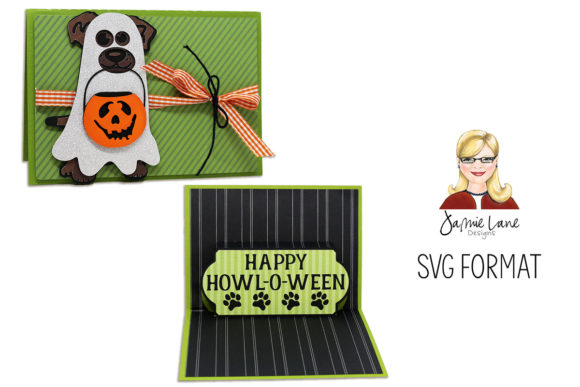
A2 Pop-Up Happy Howl-O-Ween: A Designer’s Review
As a professional designer who constantly evaluates assets for both digital crafting and physical embroidery production, I approach every new file with a specific question: does this translate from screen to stitch? When I first opened the A2 Pop-Up Happy Howl-O-Ween files, my immediate impression was one of structural clarity. While this product is categorized as a 3D SVG intended for paper crafting, its distinct layers and bold silhouette offer significant potential for adaptation into machine embroidery design projects. The mood is playful yet organized, avoiding the chaotic clutter that often plagues holiday graphics. For an Etsy seller or small shop owner, this balance is crucial. It feels like a premium handmade product rather than a generic clip-art assembly, which immediately raises the perceived value of any finished product derived from it.
Translating Paper Layers to Stitched Texture
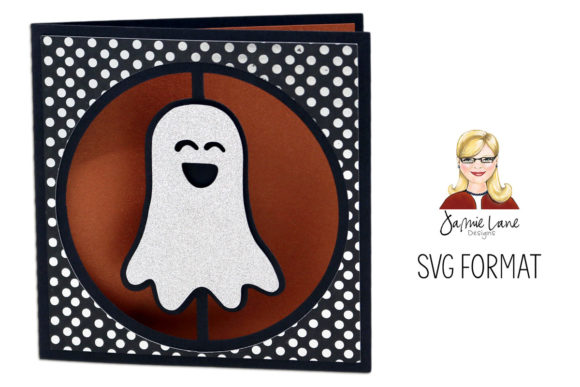
The primary challenge and opportunity with A2 Pop-Up Happy Howl-O-Ween lies in converting its paper-centric logic into textile reality. In its original form, the design relies on physical spacing to create depth. In embroidery, we must replicate this depth through stitch density and fabric texture rather than air gaps. I recently tested this concept while preparing a custom apparel line for a fall boutique pop-up. Instead of using the file for a card, I adapted the central "Howl" motif for sweatshirt embroidery.
The results were telling. Because the original 3D SVG elements are designed to be cut out individually, they naturally lend themselves to applique design techniques. Each layer of the pop-up can be treated as a separate fabric piece held down by satin stitch borders. This is far superior to trying to embroider a dense fill stitch version of the entire graphic, which would result in a bulletproof patch that distorts soft garments. By respecting the original layered intent, I created a textured, dimensional look that customers actually wanted to touch. This tactile engagement is exactly what drives sales in craft business environments where buyers are looking for quality over quantity.
Ideal Applications for Holiday Merchandise
Based on my testing, A2 Pop-Up Happy Howl-O-Ween performs exceptionally well in specific commercial embroidery contexts. The scale, originally designed for a 4-1/4 x 5-1/2 inch card, sits perfectly within standard 5x7 hoop sizes without requiring excessive resizing that degrades stitch quality. Here is where I see this design asset shining brightest:
- Tote Bag Design: The bold shapes read clearly from a distance, making it ideal for canvas totes sold at autumn markets.
- Holiday Embroidery Gifts: The whimsical nature suits personalized gift items like kitchen towels or pillow covers where the recipient values charm over photorealism.
- Embroidered Patches: The distinct outlines make this a perfect candidate for creating standalone patches that can be ironed onto denim jackets or caps.
- Nursery and Baby Embroidery: If you simplify the color palette to pastels or muted oranges, the friendly aesthetic works beautifully for non-scary baby items.
For digital product sellers, the clean lines also serve as excellent printable mockup material. You can showcase how the design looks on various substrates before committing to stitching, saving time and thread during the prototyping phase.
Critical Technical Considerations and Limitations
However, practical design judgment requires honesty about limitations. A2 Pop-Up Happy Howl-O-Ween is not a universal solution. During my review process, I identified several scenarios where caution is necessary. First, avoid using this design on highly textured fabrics like terry cloth or thick fleece unless you add a topping stabilizer. The intricate details meant to mimic paper cuts will get lost in the pile, resulting in a muddy appearance that undermines the professionalism of your brand.
Secondly, be wary of stretchy fabrics. Because the design originates from rigid paper geometry, it lacks the inherent flow of organic embroidery digitizing. On a lightweight t-shirt or jersey knit, the weight of the applique layers combined with satin stitches can cause tunneling or puckering. Always use a high-quality cut-away stabilizer and consider a light fusible backing on your applique fabrics to maintain stability. Additionally, if you plan to adapt the internal pop-up mat elements, verify the stitch count. Elements designed for paper scoring do not always translate to running stitches that are safe for delicate fabrics; they may need to be redrawn specifically as embroidery files to prevent needle damage or fabric tearing.
Elevating Brand Value Through Adaptation
Using A2 Pop-Up Happy Howl-O-Ween effectively is about more than just successful stitching; it is about customer trust and brand consistency. When a buyer sees a Halloween item that looks intentionally designed for fabric rather than slapped on as an afterthought, their confidence in your shop increases. I found that when I used the design's original layered structure to guide my thread color selection, the final embroidered patch had a cohesive, curated look. Instead of random orange and black, I pulled colors directly from the digital file’s palette, ensuring the physical product matched the digital preview perfectly.
This attention to detail matters for Etsy sellers and creative entrepreneurs. It transforms a simple holiday decoration into a signature piece. Furthermore, because the design includes multiple mats and base elements, you can create a coordinated collection—perhaps matching cards and tote bags—which encourages higher cart values. Just remember to confirm licensing terms before selling finished products or digital derivatives, as commercial embroidery rights vary by designer.
Designer Notes for Successful Execution
Before you load this design into your machine or list it in your shop, run through this practical checklist based on my real-world testing:
- Test on Scrap Fabric First: Never stitch this directly onto a final garment without a test run. The transition from SVG to embroidery requires verification of registration marks.
- Check Thread Color Contrast: Ensure your satin stitch outline contrasts sufficiently with both the applique fabric and the base garment. Low contrast kills the 3D effect.
- Review Stitch Density: If adapting manually, reduce density on overlap areas to prevent stiffness. Paper layers don't have bulk; thread does.
- Confirm Hoop Size Compatibility: Measure the actual stitched area against your machine’s maximum field. Do not assume the digital bounding box accounts for hoop clearance.
- Inspect Small Details: Any element smaller than 2mm in the SVG should likely be removed or enlarged for embroidery. Tiny paper details become thread nests.
- Mockup in Black and White: Test the design’s readability without color. If the shape isn't recognizable in grayscale, the silhouette needs adjustment before stitching.
- Verify Licensing: Double-check whether the license covers physical product sales, digital file modification, or both. Protect your business by knowing your rights.
A2 Pop-Up Happy Howl-O-Ween is a versatile asset that bridges the gap between paper crafting and textile art when handled with professional care. By treating it as a structural blueprint rather than a static image, makers can produce Halloween merchandise that stands out for its craftsmanship and intentionality. Whether you are creating custom apparel for a local market or expanding your digital catalog, this design offers a solid foundation for creative, profitable projects.