3D Halloween Eyes: A 3D SVG Asset Review
First Impressions: Evaluating Visual Impact for Seasonal Campaigns
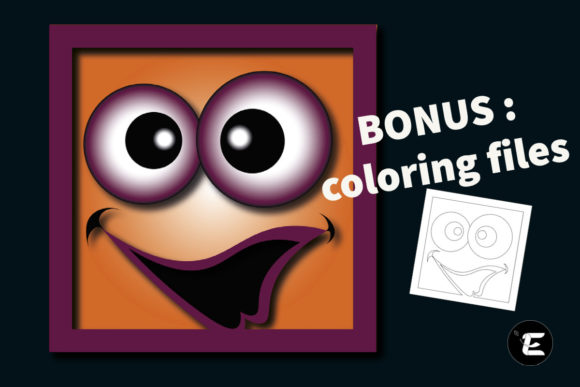
When sourcing a graphic design asset for a seasonal client project, my primary concern is whether the illustration can carry the weight of a commercial campaign without looking generic. Upon reviewing the 3D Halloween Eyes, the immediate standout feature is the depth and dimensionality that separates it from flat vector art. For a current project involving a boutique candle brand launching a spooky autumn collection, this asset provides an instant focal point. The mood is playful yet polished, striking a balance that appeals to both adult consumers and family-oriented audiences. It avoids the overly gruesome aesthetic that often alienates mainstream buyers, making it a versatile choice for small business branding and handmade business owners who need approachable seasonal visuals.
The visual style suggests a modern interpretation of classic horror tropes, utilizing lighting and shadow to create volume. This makes the 3D Halloween Eyes particularly effective for brands trying to elevate their seasonal marketing beyond standard clipart. As a designer, I look for assets that feel intentional rather than accidental, and this illustration succeeds in establishing a cohesive atmospheric tone right out of the box.
Performance Across Packaging, Merchandise, and Digital Media
In practical application, versatility is non-negotiable. I tested this asset across multiple touchpoints relevant to print-on-demand sellers and digital marketers. For packaging design, specifically product labels and box sleeves, the eyes serve as an excellent secondary graphic element. They add character to minimalist layouts without overwhelming essential product information. When applied to t-shirt design and tote bags, the 3D rendering translates well to direct-to-garment printing, provided the color profile is managed correctly. The dimensionality gives the apparel a premium feel compared to standard screen-print vectors.
For digital applications, such as social media graphics and Pinterest pins, the asset performs exceptionally well as a hero image or a recurring motif in a carousel post. In web design, it works best as a decorative accent in headers or footer sections to signal a seasonal promotion without disrupting navigation. I also evaluated its suitability for Cricut project workflows. While the intricate shading makes it less ideal for simple vinyl cutting, it is perfect for print-then-cut stickers and sublimation designs. Users creating Canva template packs will find this asset valuable because it adds high-end texture that users cannot easily replicate with native tools.
Ideal Placement Strategies for Maximum Engagement
To get the most value from this digital product, placement matters. The 3D Halloween Eyes shine in large layout areas where the details of the rendering are visible. Use them as central elements on event posters, flyer designs, and digital ad creatives. They are also highly effective in product mockup presentations, helping clients visualize how a seasonal theme transforms their existing inventory. For Etsy product listings, incorporating this illustration into listing photos or shop banners can significantly boost click-through rates during the October rush by signaling relevance to seasonal shoppers.
Navigating Limitations in Complex Design Systems
However, professional judgment requires acknowledging where an asset fails. Due to the detailed shading inherent in a 3D style, these eyes should be used carefully at very small sizes. On a business card or a tiny icon set, the definition may muddy, reducing visual hierarchy and clarity. Avoid placing this asset against busy photographic backgrounds or complex patterns; it needs negative space to breathe. Furthermore, while excellent for consumer brands, exercise caution when using this for strict corporate brand identity systems or B2B editorial design, where the whimsical nature might clash with established professional tones. Always prioritize readability and brand consistency over decorative flair.
Technical Assessment: File Integrity and Production Readiness
A beautiful illustration is useless if the files are not production-ready. The provider notes: I am pleased to present you with a Halloween illustration. You will receive the files in the following formats .SVG .PNG .Pdf .Eps .SVG This is a resizable file with no loss of quality, so you can change dimensions freely. From a technical standpoint, having both EPS and SVG formats is crucial for commercial design work. The EPS ensures compatibility with legacy Adobe Illustrator workflows, while the SVG supports modern web and Cricut integration. The inclusion of PDF is a thoughtful addition for those working in InDesign for editorial design or print collateral.
The promise of a resizable file with no loss of quality is accurate for the vector components, but designers must verify the construction. Some "3D SVG" files are actually raster images embedded within an SVG container. Before committing this to a large-format banner or vehicle wrap, open the file in vector software to confirm true scalability. If it is a hybrid file, utilize the high-resolution PNG for large prints and the vector version for scalable icons or text pairings. Always inspect the PNG transparency mask; jagged edges around the eyes will ruin an otherwise professional sticker design or overlay.
Designer’s Pre-Flight Checklist for Commercial Application
Before integrating 3D Halloween Eyes into a paid client deliverable, run through this practical validation process to ensure professional results:
- Contrast Testing: Preview the asset on both pure white and deep black backgrounds. 3D renders often have subtle edge glows or shadows that may disappear on dark modes or look messy on light paper stock.
- Typography Pairing: Test the eyes against your chosen typeface. Bold display fonts and textured serif fonts generally complement the 3D weight better than thin sans-serifs or delicate scripts, which can get visually overpowered.
- Grayscale Conversion: Convert the asset to black and white to check value contrast. If the eyes become indistinguishable blobs without color, the design relies too heavily on hue rather than form, which risks failure in single-color print jobs.
- Mockup Validation: Never approve a design based on screen view alone. Place the asset on realistic marketing visuals mockups to see how the lighting interacts with physical textures like cardboard, fabric, or glossy paper.
- Licensing Verification: Confirm the commercial license terms specifically. Ensure the license covers your intended use case, whether that is physical products, digital templates, or NFT creation. Document this permission for your client's records.
- File Organization: Rename the generic filenames immediately. Organize the design bundle into clear folders (Vector, Raster, Print) to streamline workflow efficiency, especially when collaborating with other designers or handing off files to printers.
Final Verdict on Creative Utility and Value
Ultimately, 3D Halloween Eyes represents a strong contender for designers seeking to bridge the gap between festive fun and professional polish. It avoids the amateurish trap of low-quality holiday clipart while remaining accessible enough for crafters and small business owners. The multi-format delivery demonstrates an understanding of diverse user needs, from sublimation design enthusiasts to agency art directors. By respecting the asset's limitations regarding scale and contrast, and by leveraging its strengths in packaging and digital engagement, this illustration can significantly enhance the perceived value of seasonal projects. It is a reliable tool for creating modern design solutions that resonate emotionally with audiences while maintaining the rigorous standards required for commercial success.