Six Sided Spider Box: A 3D SVG for Christmas
First Impressions: Evaluating Structural Integrity and Seasonal Mood
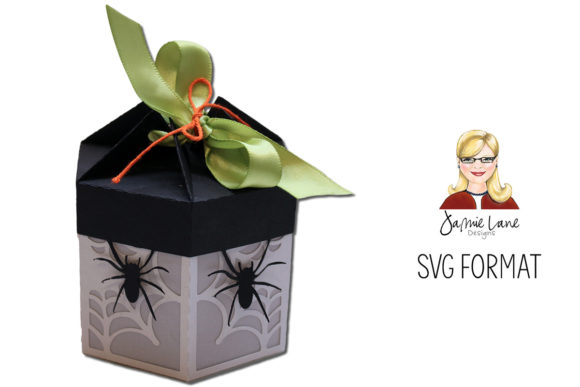
When reviewing a new graphic design asset for a client project, my first criterion is always structural viability. As a professional designer managing branding and packaging for small businesses, I cannot afford to waste billable hours fixing broken vector paths or guessing at assembly logic. Upon opening the files for the Six Sided Spider Box, the immediate impression is one of deliberate engineering tailored for seasonal whimsy. This is not merely a flat illustration; it is a functional SVG cutting template that understands the physical limitations of cardstock and vinyl.
The visual mood strikes a specific balance between spooky and festive. While the product category suggests Christmas, the inclusion of bats on the removable lid leans heavily into Halloween or gothic winter aesthetics. For a client running a handmade business or an Etsy shop, this duality is valuable. It bridges the gap between autumn harvest events and early holiday gifting. The six-sided geometry offers significantly more surface area for branding than a standard square box, allowing for extended storytelling or pattern application across multiple panels. As a 3D SVG, the file requires a designer’s eye to ensure the tabs and slots align perfectly when rendered in materials like 65lb cardstock or glitter vinyl.
Real-World Application: Boutique Packaging and Event Branding
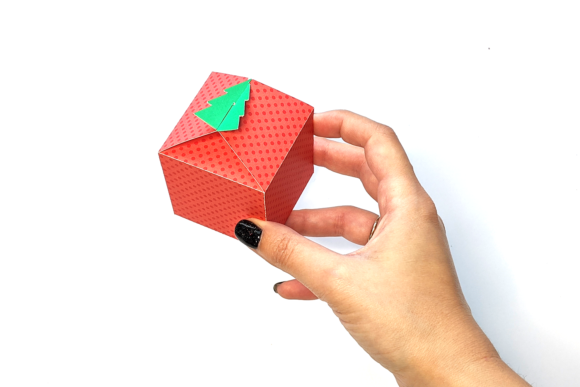
I recently consulted for a boutique confectionery brand looking to elevate their unboxing experience for a seasonal pop-up market. They needed a vessel that felt premium yet playful, distinguishing their artisanal treats from generic store-bought candy. The Six Sided Spider Box proved to be an exceptional candidate for this packaging design challenge. Because the box base and lid are separate components, it allows for modular customization. We utilized the lid for a die-cut logo reveal and the base panels for ingredient storytelling and social media handles.
For content creators and marketers, this asset serves as a high-impact prop for social media graphics. In a recent campaign mockup, the hexagonal shape created dynamic negative space in Instagram carousel posts that rectangular boxes simply cannot achieve. The angular lines guide the viewer's eye toward the center product, improving visual hierarchy. Furthermore, for Cricut users and crafters selling at local markets, this template reduces material waste. The nesting of cut lines is efficient, which is crucial when producing print-on-demand items or limited-edition party favors where margin matters.
Beyond packaging, this asset translates surprisingly well into digital marketing visuals. I tested the silhouette as a framing device for website hero banners and email newsletter headers. The distinct shape acts as a recognizable brand element, reinforcing identity without needing repetitive logo placement. For bloggers and publishers creating seasonal editorial content, the box provides a tangible anchor for "DIY Gift Guide" articles, offering readers a downloadable value-add that increases time-on-page and engagement.
Optimal Placement vs. Design Constraints
Understanding where to deploy this asset is just as important as knowing how to assemble it. The Six Sided Spider Box excels in large layout areas and as a primary focal point. It is ideal for:
- Hero Graphics: Use the assembled box as the central image in web design or digital ads to showcase dimensionality.
- Themed Collections: Perfect for cohesive product lines where the packaging needs to match stickers, t-shirt designs, and tote bags.
- Interactive Content: Excellent for Pinterest pins demonstrating assembly steps, driving traffic to tutorial blogs or shops.
- Merchandise Mockups: Serves as a realistic container for displaying virtual goods or digital downloads in a physical context.
However, designers must exercise caution. This asset should be used carefully in minimalist branding or corporate environments where clean lines dominate. The intricate bat details and hexagonal geometry can appear cluttered against busy backgrounds or within small-scale applications like business cards or app icons. If your client’s brand identity relies on ample whitespace and sans-serif typography, this ornate structure may conflict with their established modern design language. Additionally, avoid using this as a background texture; it demands foreground attention. In low-contrast designs, the internal fold lines may disappear, rendering the 3D effect flat and confusing to the end user.
Technical Vetting: Ensuring Commercial Viability
Before committing this digital product to a paid client deliverable, a rigorous technical audit is non-negotiable. Visual appeal means nothing if the file fails during production. Here is my checklist for validating the Six Sided Spider Box for professional use:
- Vector Editability: Open the SVG in Adobe Illustrator or Affinity Designer. Ensure all paths are closed and layers are logically organized. Unclosed paths will cause cutting machines to fail or produce jagged edges.
- Contrast Testing: Preview the design in pure black and white. If the bat silhouettes merge with the box edges or score lines become invisible, the contrast is insufficient for reliable fabrication.
- Typography Pairing: Test the box alongside various font styles. A serif font enhances the vintage/gothic vibe, while a handwritten script adds personal warmth. Avoid heavy display fonts that compete with the lid’s intricate cutouts.
- Mockup Validation: Never rely solely on the digital preview. Print a test version on your intended substrate. Check if the tabs hold weight when filled with candy. A beautiful box that collapses under the weight of goodies is a failed commercial design.
- Licensing Confirmation: Scrutinize the commercial license. Verify if you can sell the physical assembled boxes, the digital template, or both. Many design bundles restrict resale of the raw SVG file but allow finished products. Clarifying this protects your client from legal exposure.
- File Format Versatility: Confirm the inclusion of PNG designs for sublimation or print-only projects. Not every client owns a cutter; some may want to print the box graphic onto pre-made containers or use it as clipart in Canva templates.
Strategic Value for Creative Professionals
Ultimately, the Six Sided Spider Box represents more than just a seasonal craft project; it is a versatile tool for small business branding and creative entrepreneurship. Its strength lies in its ability to transform a simple transaction into a memorable tactile experience. For digital sellers and Etsy product owners, offering this as a standalone printable design or including it as a bonus in a larger design bundle can increase perceived value and average order size.
From a brand identity perspective, consistent use of unique packaging shapes builds recognition faster than color or logo alone. When customers see a hexagonal box with bat accents, they immediately associate it with your specific seasonal campaign. This emotional appeal drives loyalty and encourages user-generated content, as buyers are more likely to photograph and share distinctive packaging.
For fellow designers, marketers, and makers, this asset warrants a place in your library if you serve clients in the party, confectionery, or alternative fashion niches. It solves a specific problem—creating affordable, branded, three-dimensional experiences—with style and precision. Just remember to respect its complexity. Treat it as a premium component of your creative marketplace offerings, validate its technical specs rigorously, and leverage its unique geometry to help your clients stand out in a saturated seasonal market. When executed correctly, this box doesn't just hold candy; it holds the potential for significant brand elevation.