Mums Paper Flower Templates: An Embroidery Review
As a professional embroidery designer and product reviewer, I approach every new asset with a critical eye toward stitchability and commercial viability. When I first opened the Mums Paper Flower Templates, my immediate assessment was not just about the aesthetic beauty of the chrysanthemum, but how these vector lines would translate into thread. While this product is marketed primarily as a 3D SVG for paper crafting and cutting machines, experienced makers know that clean vector art is often the secret weapon for creating custom applique designs and mixed-media projects. My evaluation focuses on bridging the gap between digital paper templates and tangible textile applications for small business owners and creative entrepreneurs.
Translating Vector Lines to Stitched Reality
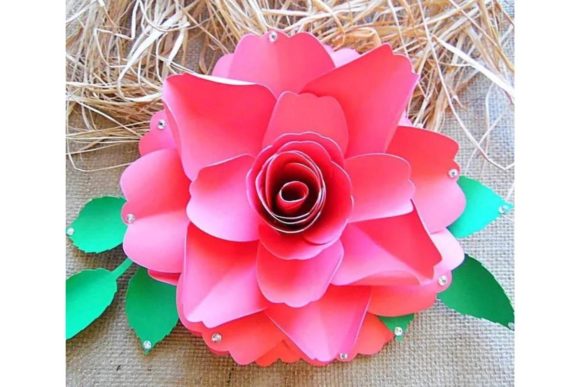
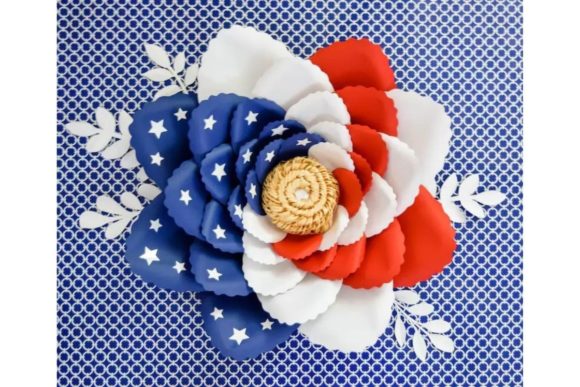
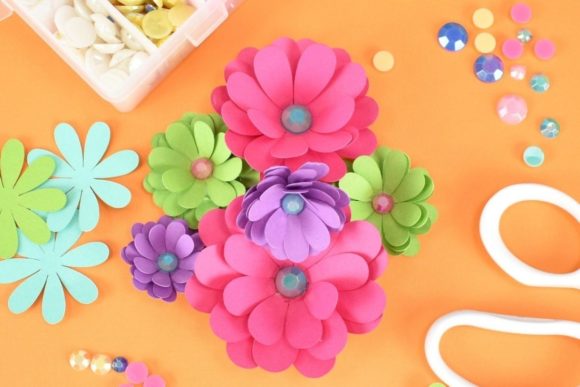
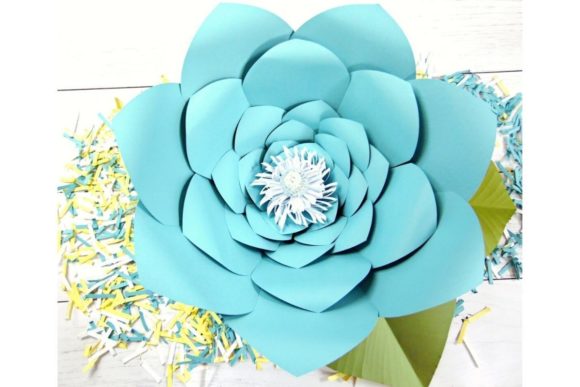
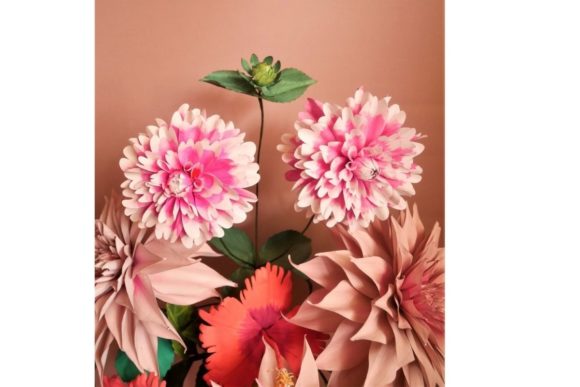
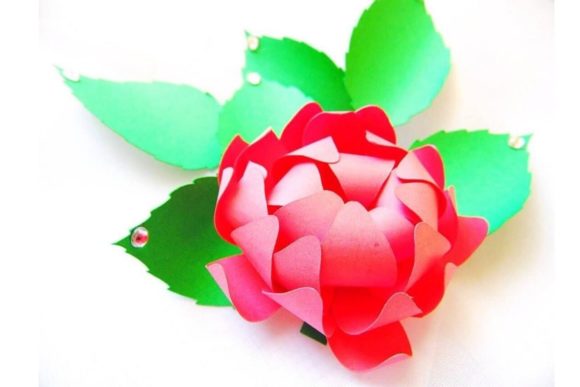
The visual personality of these mum templates is distinct. Chrysanthemums are inherently complex flowers with dense, layered petals that can easily become a muddy mess if digitized poorly. However, because these files originate as precision cut files for machines like Cricut or Silhouette, the line work is exceptionally clean. For an embroidery designer, this clarity is gold. The separate petal layers provided in the Paper Flowers set offer a natural roadmap for creating dimensional fabric flowers or structured appliqué.
Unlike generic clipart, the anatomy of this flower feels intentional. The curves are smooth, which suggests that if you were to use the included PNG or DXF files as a base for digitizing a machine embroidery design, you would spend less time fixing jagged nodes and more time refining stitch density. The mood is organic yet structured, making it suitable for both vintage-inspired nursery decor and modern botanical apparel. It avoids the overly cartoonish look that plagues many floral assets, lending itself well to high-end handmade products where customers expect professional quality.
Real-World Application: The Custom Tote Bag Test
To truly evaluate this asset, I mentally prototyped a specific project: a premium canvas tote bag design intended for a boutique fall collection. Tote bags are a staple for Etsy sellers and craft fair vendors because they offer a large, flat stitching area that showcases detail. In this scenario, I envisioned using the mum template not just as a flat print, but as a guide for a mixed-media technique.
I considered using the SVG file to cut felt or linen petals on a cutting machine, then arranging them on the canvas tote based on the template’s layout. This is where the 3D SVG format shines for textile artists. Instead of relying solely on heavy fill stitch areas that can make a tote bag stiff and bulletproof, I could use the template to place physical fabric layers, securing them with a decorative running stitch or narrow satin stitch. The result is a textured, tactile flower that looks significantly more expensive than standard embroidery. For a small shop product, this added dimension justifies a higher price point and differentiates your brand from competitors using stock designs. The leaf template included in the set provides the necessary balance, preventing the bloom from looking like it is floating aimlessly on the fabric.
Navigating Fabric Constraints and Hoop Sizes
While the design potential is high, practical judgment requires acknowledging limitations. Mums are detailed flowers, and detail demands space. If you are adapting these templates for embroidery, you must be wary of small hoop sizes. Shrinking a complex chrysanthemum down to a 2-inch logo size will likely result in lost definition and thread breaks. This design performs best at medium to large scales where individual petals remain distinct.
Fabric choice is equally critical. On textured fabrics like terry cloth or fleece, the intricate lines of a paper-derived template can get lost. If stitching on a kitchen towel or baby blanket, you must account for the fabric pile. Conversely, on thin or stretchy fabrics like jersey knits for sweatshirt embroidery or baby embroidery, the density of a full mum design can cause puckering. Even though this is a template, if you use it to create a dense stitched motif, proper stabilizer selection is non-negotiable. I would advise against using this specific floral style on curved surfaces like caps unless you simplify the design significantly; the rigid geometry of paper templates does not always wrap gracefully around a hat brim without distortion.
Commercial Value and Customer Perception
For commercial embroidery and digital product sellers, the versatility of this pack adds significant value. The inclusion of printable PDFs allows for hybrid workflows. You can create printable mockups to test market demand before committing to digitizing. Show your audience a realistic preview of the mum on a pillow cover or apron using the PNG image, gauge engagement, and only then invest time in creating the embroidery file. This lean approach saves resources for craft business owners.
Furthermore, the clean aesthetic builds customer trust. Buyers are increasingly savvy; they recognize when a design has been traced hastily versus when it has been crafted with intention. Using a high-quality template as your foundation ensures that your finished product reflects professionalism. Whether you are selling the physical embroidered item or the resulting digital assets, the structural integrity of the original mum template translates to perceived value. It signals that you care about the details, from the curve of a petal to the placement of a leaf.
Essential Designer Notes Before You Stitch
Before integrating Mums Paper Flower Templates into your production line, adhere to these practical checkpoints:
- Verify Licensing: Confirm specifically whether the license permits commercial use for finished embroidered goods or digital resale. Paper craft licenses sometimes differ from embroidery commercial rights.
- Test on Scrap Fabric: Never run a new adaptation directly on a client’s garment. Test thread colors and stabilizer combinations first to ensure the petal separation reads clearly.
- Check Contrast: Mums rely on shadow and layering. Test your design in black and white mockups to ensure the flower doesn't flatten out on dark fabrics.
- Simplify for Washability: If creating custom apparel or baby items that require frequent washing, consider reducing the number of layers or converting delicate inner petals to simple stitches rather than tight satin columns.
- Inspect Small Details: Zoom in to 400% when using the DXF or PNG as a digitizing backdrop. Ensure no stray anchor points exist that could cause machine errors.
- Validate File Compatibility: While SVG and DXF are standard, ensure your embroidery software imports the vectors cleanly without scaling issues before beginning your embroidery project.
Ultimately, Mums Paper Flower Templates represent a versatile starting point for makers who understand that great embroidery begins with great art. By respecting the origin of the design while applying textile-specific adjustments, you can transform these digital assets into stunning, sellable creations that stand out in a crowded handmade marketplace.