Jungle 3D SVG for Shadow Boxes: A Designer Review
First Impressions: Assessing Visual Depth and Layer Integrity
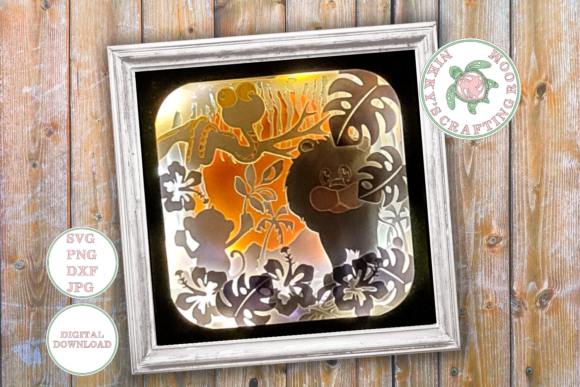
When evaluating a new graphic design asset for a client project, my primary concern is always technical reliability alongside aesthetic appeal. I recently tested the Jungle 3d Shadow Box Template while developing a visual identity and packaging concept for a boutique children’s brand launching an eco-friendly nursery line. The immediate strength of this asset lies in its structural logic. Unlike flat clipart or simple raster images, this template understands spatial relationships. The foliage layers are distinct, creating genuine depth rather than simulated shading. For a designer working on brand identity or immersive retail displays, this distinction matters. The mood is organic yet controlled, avoiding the chaotic clutter that often plagues jungle-themed illustration files. It strikes a balance between playful and professional, making it suitable for high-end handmade business branding rather than just casual crafting.
Technical Workflow: File Formats and Cricut Compatibility
For professionals managing tight deadlines, file organization dictates workflow efficiency. The zipped file contains SVG, PNG, DXF, and JPG formats, covering everything from vector editing to direct printing. Crucially, the SVGs are structured for one-click upload with all layers grouped together. In my testing with Cricut Design Space and Adobe Illustrator, this grouping saved significant prep time. When resizing 3D SVG files for different shadow boxes dimensions, keeping layers grouped prevents individual elements from shifting or distorting. This is a common pain point with lesser design bundles. The included DXF files ensure compatibility for users without premium software, while the high-resolution PNGs serve as excellent fallbacks for Canva template integration or quick social media graphics. For a Cricut project involving cardstock layering, the cut lines were clean and optimized, reducing material waste during prototyping.
Application in Brand Identity and Packaging Design
In the context of the nursery brand project, I utilized the Jungle 3d Shadow Box Template primarily for packaging design and unboxing experience visuals. The layered nature of the asset translates beautifully to physical die-cut boxes and sleeve packaging. Because the design relies on physical separation of layers rather than printed gradients, it maintains integrity across various print substrates. I also adapted elements of the template for product mockup scenes. By extracting specific leaf layers, I created custom framing devices for product photography overlays. This versatility makes it a valuable commercial design tool. However, designers should note that this asset shines brightest when used as a hero element. It works exceptionally well for Etsy product listings where visual texture drives conversion, or as a focal point in editorial design spreads for parenting magazines.
Optimal Use Cases for Maximum Visual Impact
- Large Format Displays: The intricate details of the Jungle 3d Shadow Box Template require space to breathe. Use it for window decals, trade show backdrops, or large-format wall art where the shadow depth can be fully appreciated.
- Interactive Packaging: Ideal for print-on-demand sellers creating premium unboxing experiences. The 3D effect adds perceived value to small business branding.
- Themed Event Stationery: Perfect for baby showers or safari-themed parties. The asset scales well for invitations and place cards when treated as a border or frame.
- Digital Content Creation: Bloggers and content creators can use the PNG version as a transparent overlay for YouTube thumbnails or Pinterest pins, adding dimension without obscuring text.
Design Constraints and Hierarchy Considerations
While versatile, this asset requires careful handling to maintain visual hierarchy. It is not suitable for small-scale applications like business cards or favicon-sized logo design. The complexity of the foliage will turn to visual noise at reduced sizes. Additionally, avoid placing this template over busy photographic backgrounds; it demands negative space or solid color fields to establish contrast. For minimalist modern design projects, the ornate nature of the jungle motif may clash unless intentionally juxtaposed against stark typography. Designers must also consider readability. If using the template as a frame for text, ensure the inner aperture is sufficiently wide. The organic edges can encroach on copy areas, potentially compromising legibility in marketing visuals or digital ads.
Typography Pairings and Color Strategy
The success of the Jungle 3d Shadow Box Template in a creative marketplace setting often depends on typographic pairing. During my review, I found that bold, rounded sans-serif fonts complemented the soft organic curves best, reinforcing the child-friendly yet polished aesthetic. Conversely, delicate script fonts risked getting lost within the detailed linework. For color, the template performs best when each layer is assigned a distinct tonal value. Monochromatic green schemes work for sophisticated web design accents, while high-contrast multicolor palettes suit t-shirt design and sticker design. Always test your colorway in grayscale first. If the layers do not read clearly in black and white, the 3D effect will fail in low-light viewing conditions or when printed on uncoated paper.
Commercial Viability and Pre-Flight Checklist
Before deploying this asset for any commercial license project, conduct a thorough pre-flight check. Verify the licensing terms specifically for your intended use case, especially if selling physical products derived from the template. Inspect the PNG transparency for any jagged edges or artifacts that might appear in sublimation design transfers. Test print a sample at actual size to confirm line weight; screen resolution often deceives designers about cuttability. For digital sellers incorporating this into larger design assets, ensure you are adding significant transformative value rather than merely redistributing the file. Finally, assess the emotional resonance with your target demographic. Does the stylized jungle feel age-appropriate and culturally neutral? Professional judgment extends beyond aesthetics to audience alignment.
Practical Designer Notes for Implementation
- Contrast Testing: Always preview the asset on both light and dark backgrounds. Shadow box templates rely on contrast between layers; a dark background may swallow the deepest shadows.
- Scale Verification: Resize the grouped SVG to your smallest intended application size. If details merge, establish a minimum usage size guideline for your brand system.
- Mockup Validation: Never approve the design based on screen view alone. Place it in realistic product mockup environments to judge scale and material interaction.
- Font Compatibility: Test against your existing brand type system. Ensure the asset’s visual weight doesn’t overpower your primary logotype or headlines.
- Layer Management: Keep the original grouped structure intact in your master files. Ungroup only when necessary for specific edits to preserve future editability.
Ultimately, the Jungle 3d Shadow Box Template represents a strong intersection of craft utility and professional design potential. It offers creative design practitioners a reliable foundation for dimensional projects while maintaining the technical standards required for commercial production. Whether enhancing a printable design collection or elevating a boutique brand’s physical touchpoints, this asset delivers when used with intentionality and respect for its spatial requirements. For designers willing to invest the time in proper testing and integration, it serves as more than just a decorative element—it becomes a strategic component of immersive visual storytelling.